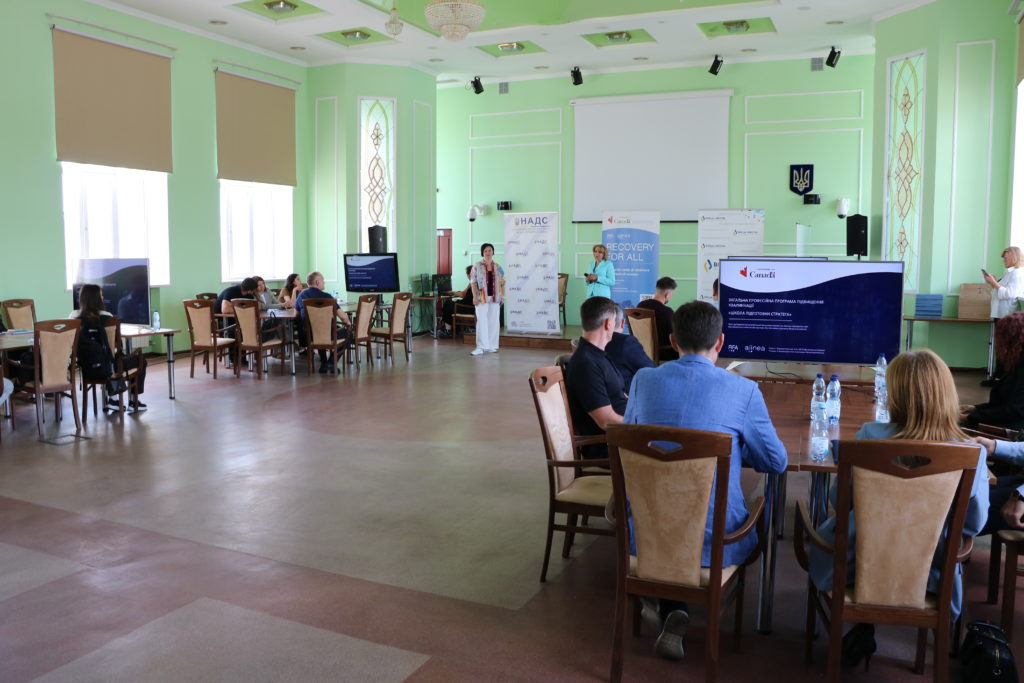
The ‘School of Strategy Training 7.0’ for civil servants newly appointed to Category ‘A’ positions has concluded. The course ran from 9 to 30 July and was designed to foster a modern managerial mindset and develop skills in strategy formulation and decision-making in the context of globalisation, European integration and post-war reconstruction.
The final module was devoted to strategic and crisis communications. Together with Oleksandr Horokhovskyi, an analyst at the Centre for Strategic Communication and Information Security and founder of the ‘BezBrekhni’ project, participants examined approaches to planning information campaigns and responding to crises caused by disinformation.
They analysed the factors and sources of potential threats, the principles of preparing appropriate plans, selecting communication channels and formulating key messages. Particular attention was paid to the speed of the initial public response, fact-checking, countering rumours, adhering to the ‘single voice’ principle and conducting post-crisis analysis. The practical component involved analysing simulated scenarios and developing response protocols.
Throughout the ‘School of Strategy Training 7.0’, participants explored practical approaches to shaping public policy and the strategic development of organisations. The training modules covered national and organisational development strategies, citizen-centred approaches, the use of artificial intelligence tools in strategic planning, as well as strategic and crisis communications. Civil servants assessed citizens’ needs, analysed problems and stakeholders, developed policy options, formulated objectives and logical models, and worked on risk management, monitoring and the evaluation of results.
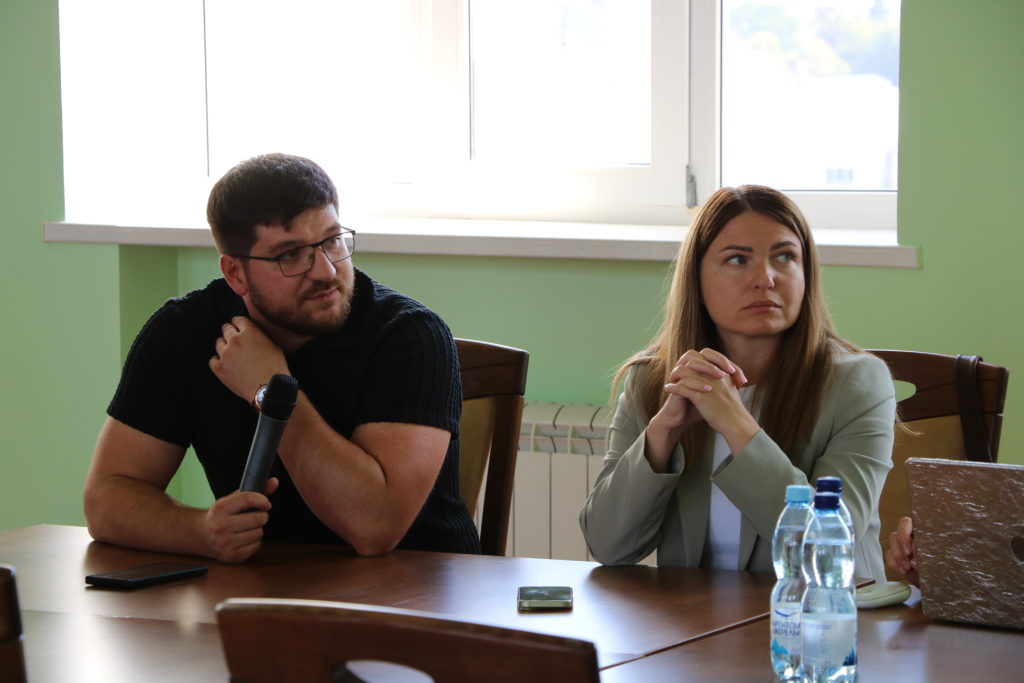
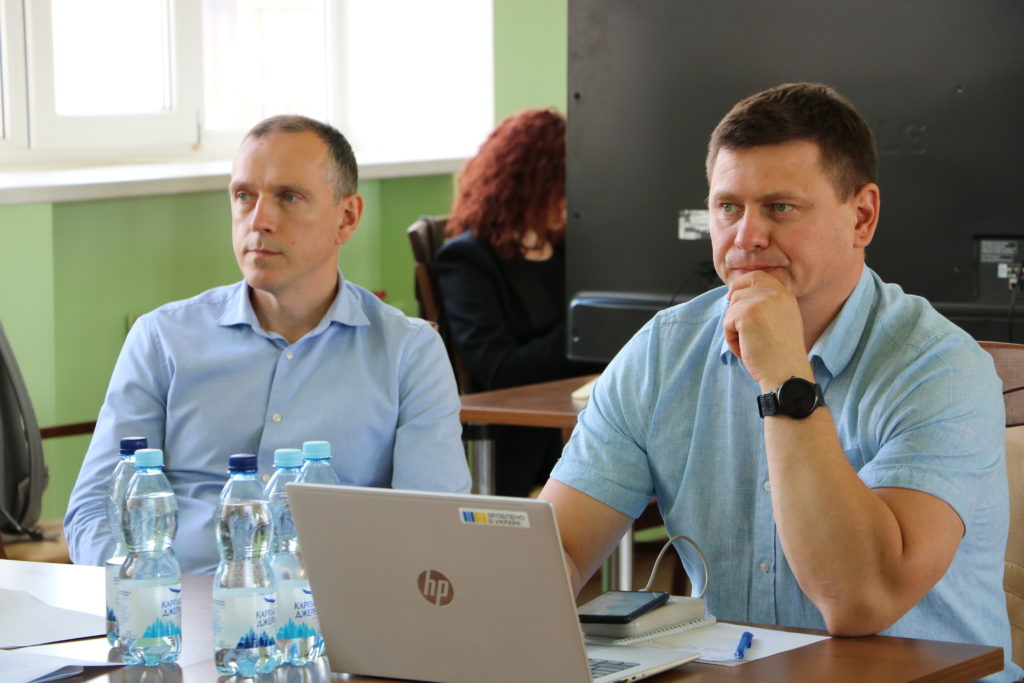
The practical work culminated in the presentation of four team projects in the areas of environmental policy, ethnic policy, housing policy, and public safety and civil protection. Using the knowledge and tools acquired during the training, the teams presented comprehensive strategic proposals – ranging from problem analysis and goal-setting to the development of organisational growth models, risk management and the monitoring of outcomes.
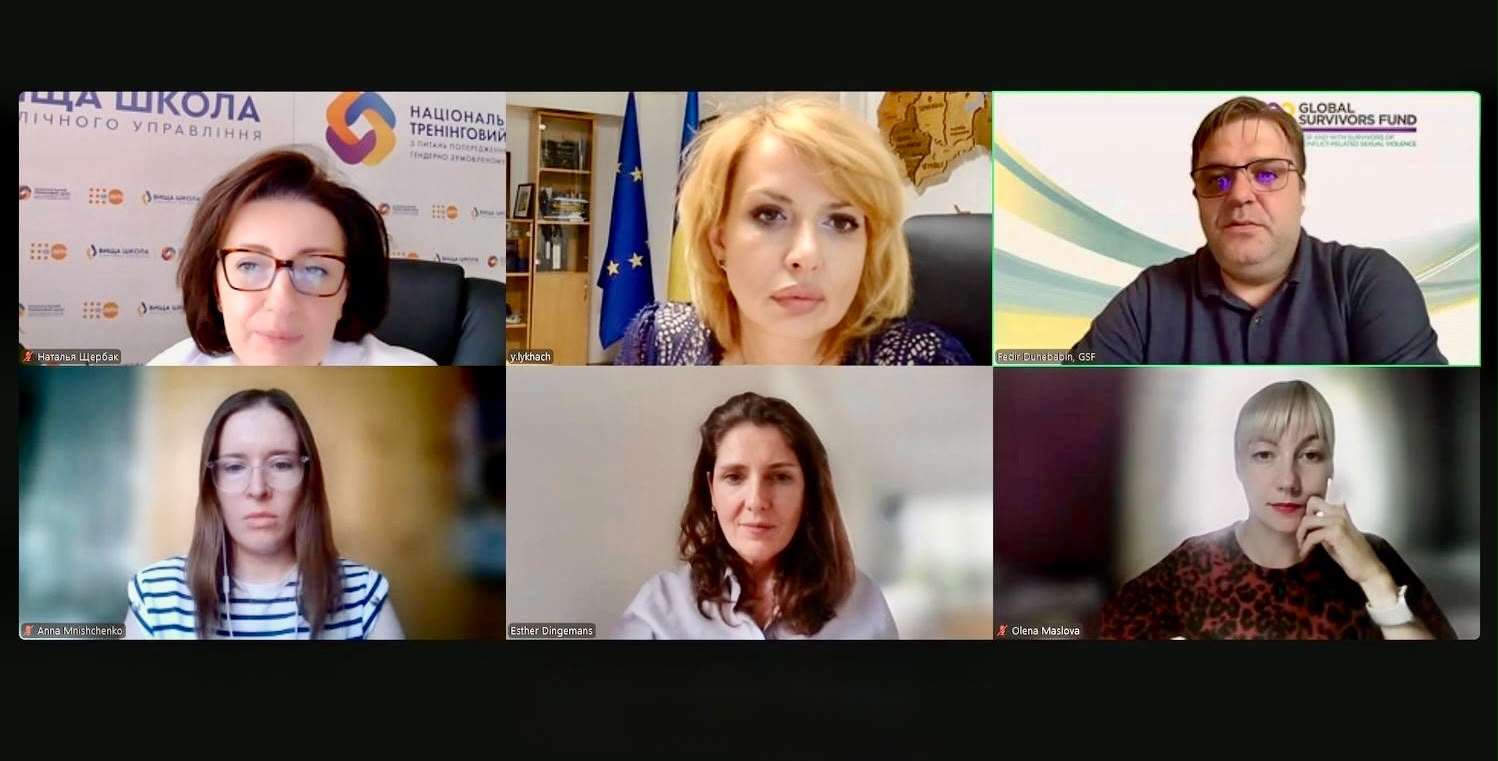
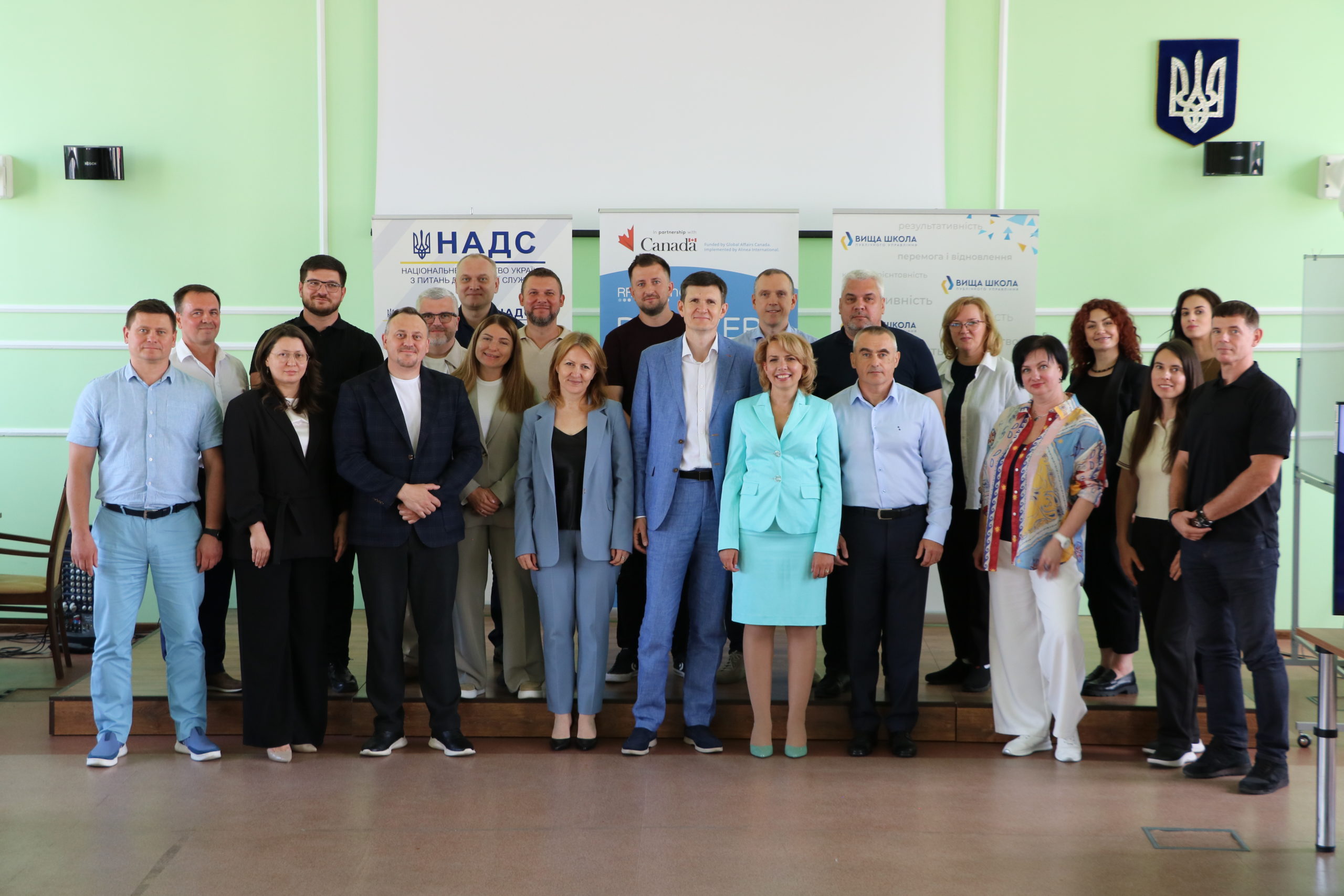
Following the presentations, certificates were awarded to the participants by Yuliia Lykhach, Director of the High School of Public Governance, and Mariia Plaksenko, the Head of the GESI Planning Direction of the “Recovery for All” (RFA) project.
“Strategic management begins not with drafting a document, but with the ability to recognise people’s needs, identify problems accurately and translate management decisions into concrete and measurable outcomes. Throughout the training, participants covered the entire spectrum – from analysing policy areas to building an organisational development model, managing risks and communicating change. The projects presented today demonstrated the readiness of senior civil service leaders to work systematically, responsibly and with a clear focus on results”, noted Yuliia Lykhach.
The program is implemented by he High School of Public Governance in cooperation with the National Agency of Ukraine on Civil Service , with the support of the “Recovery for All” project.