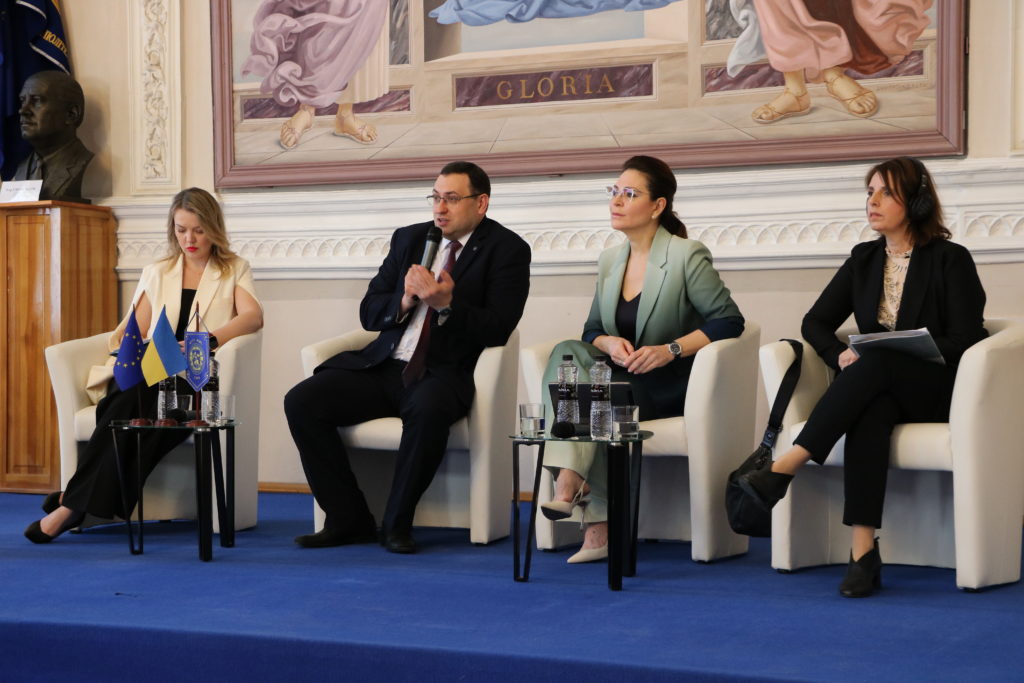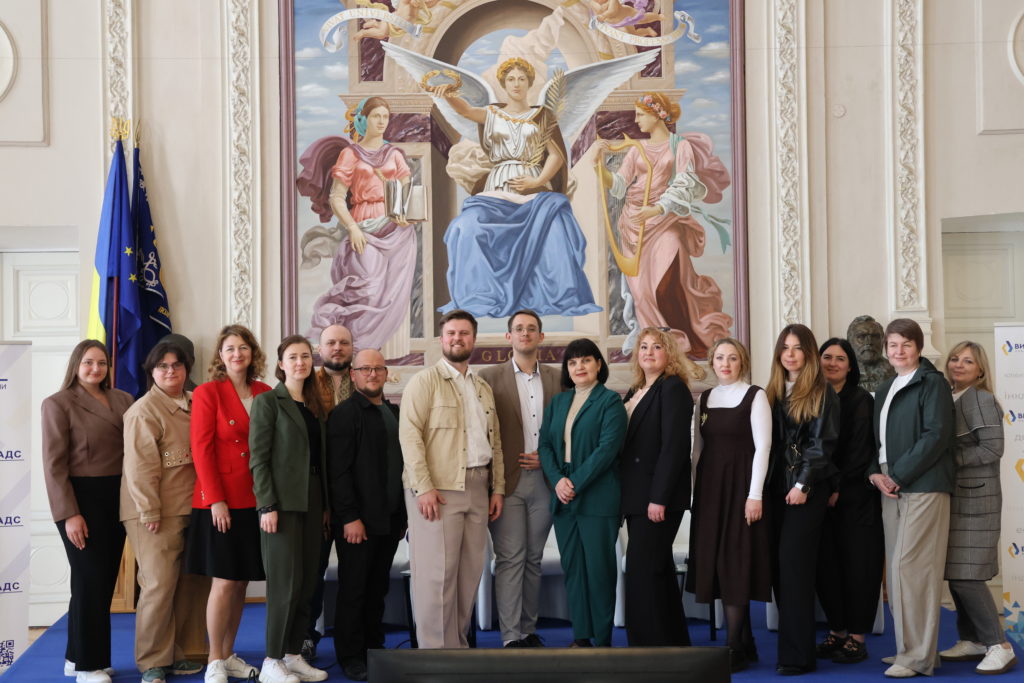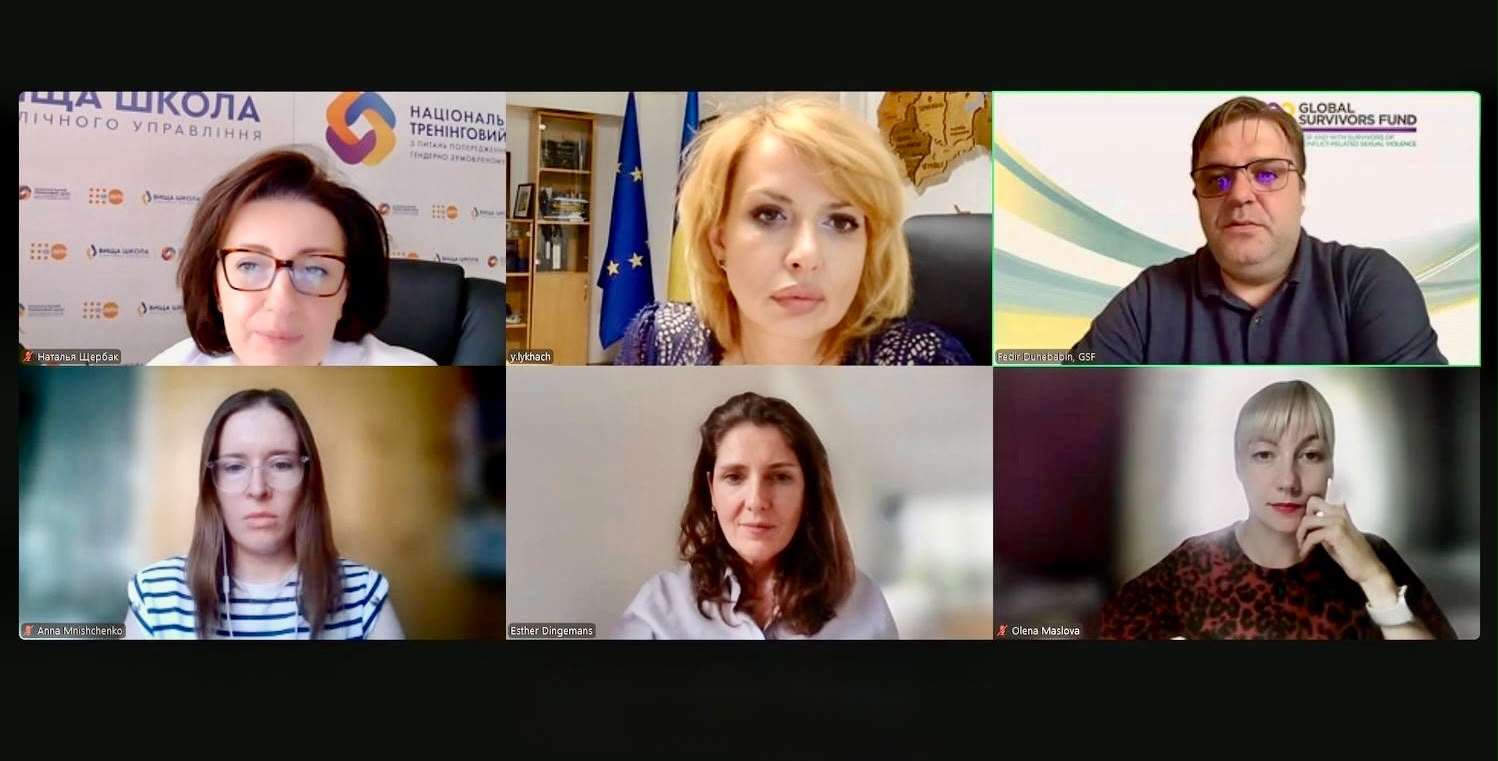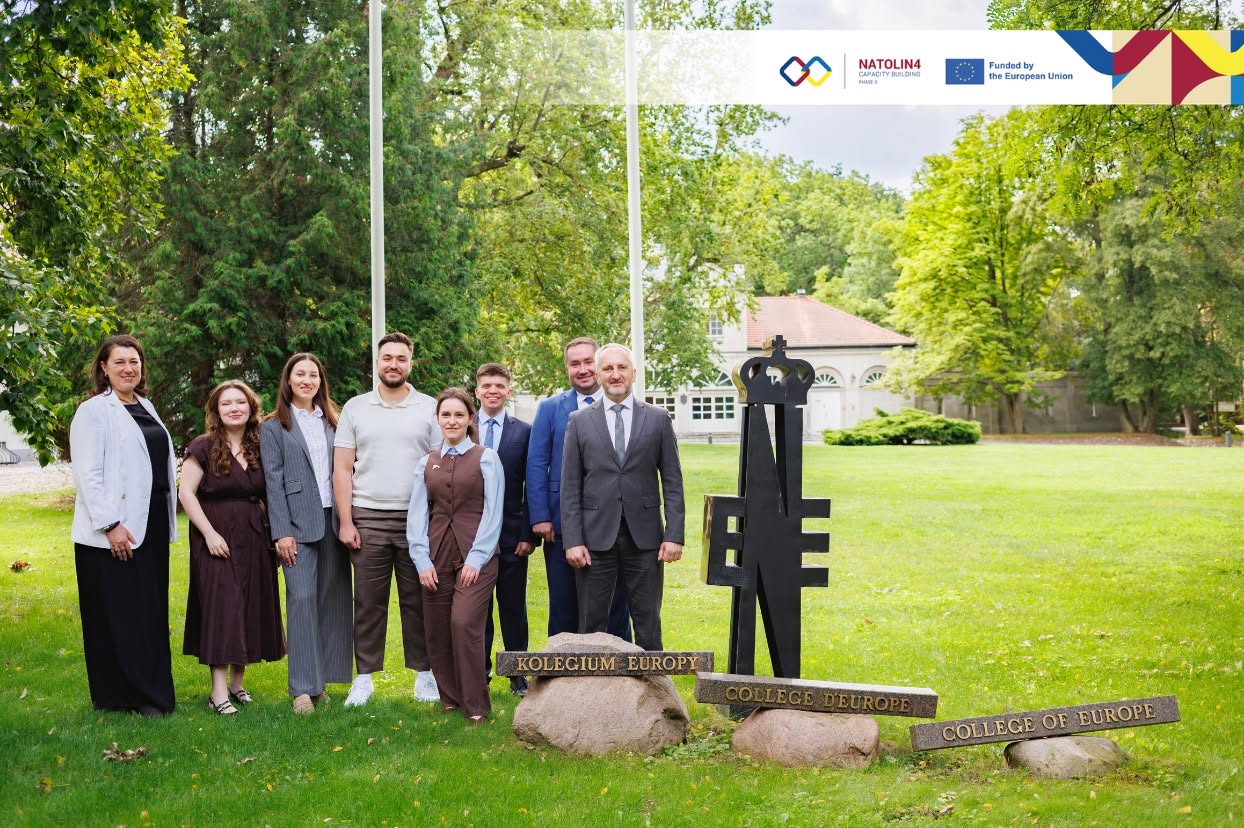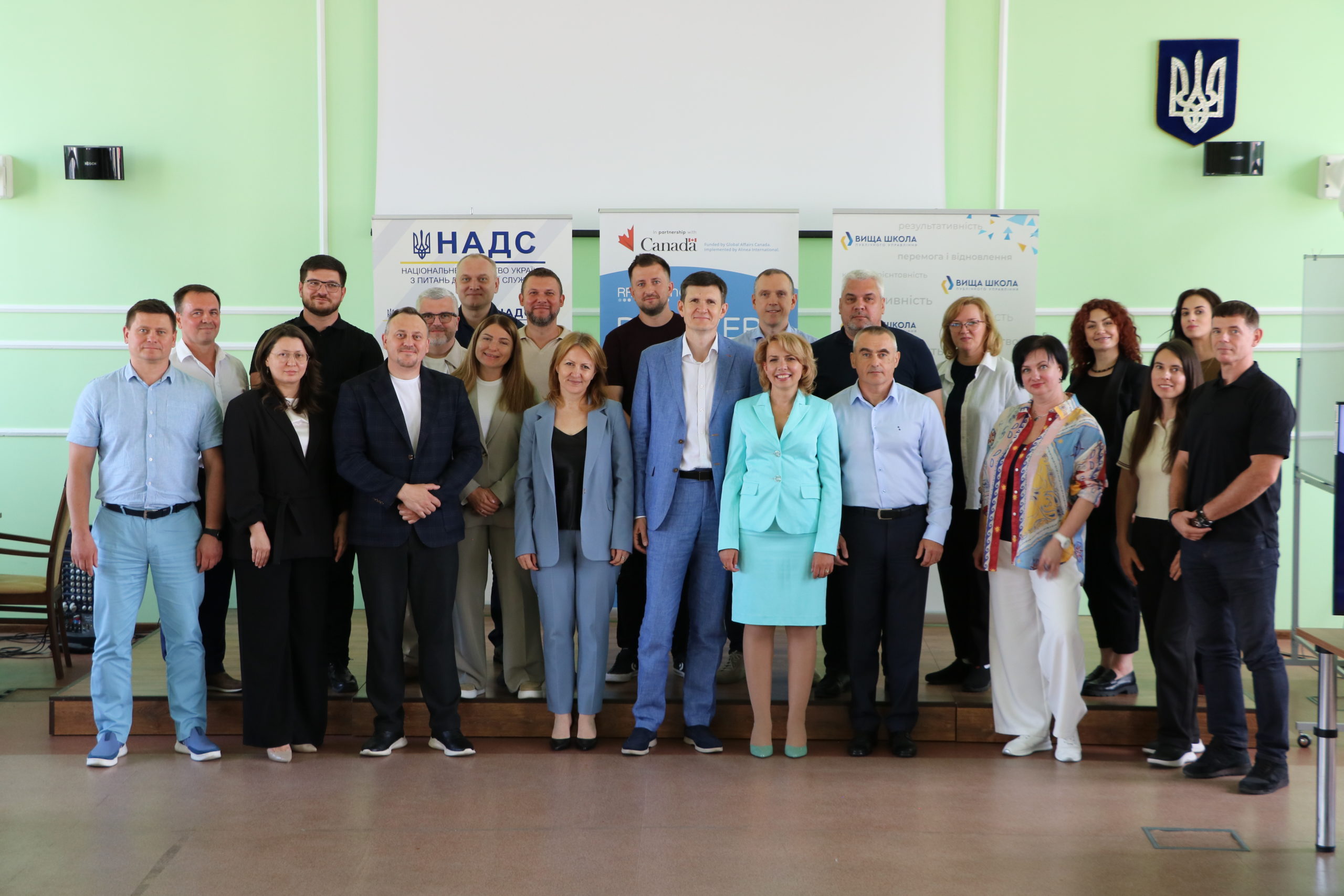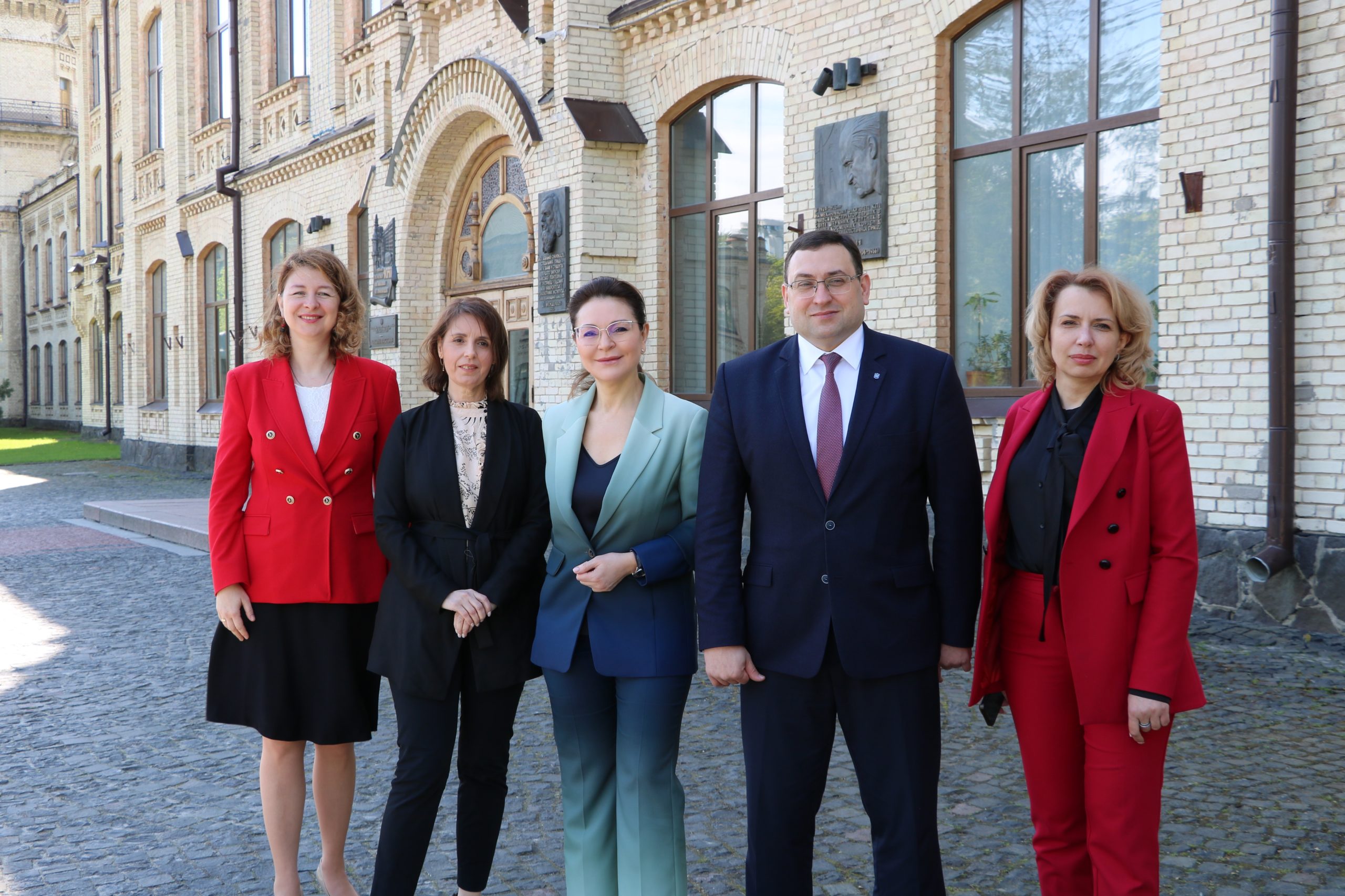
The 2nd International Scientific and Practical Conference «The Use of Artificial Intelligence in Public Administration: Challenges, Opportunities and Prospects» took place on 15 May 2026.
The event brought together 80 representatives from government institutions, education, academia, international organisations and the expert community to discuss the responsible use of AI in public administration, along with over 700 online participants.
The conference was organised by the National Agency of Ukraine on Civil Service, the High School of Public Governance, National Technical University of Ukraine «Kyiv Polytechnic Institute» and the Council of Europe’s HELP project for Ukraine.
Nataliia Aliushyna, Head of the NAUCS; Anatoliy Melnychenko, Rector of Igor Sikorsky Kyiv Polytechnic Institute; and Hilde Haug, Deputy Head of the Council of Europe Office in Ukraine, addressed the participants with welcoming remarks.
In her opening address, Nataliia Aliushyna emphasised that the topic of artificial intelligence has long since moved beyond a purely technological debate.
“Artificial intelligence will not replace civil servants. It will not replace leadership, responsibility, critical thinking or humanity. Instead, it can take over routine processes, help analyse large volumes of information more quickly, and enhance analytics, communication and decision-making. And most importantly – it can free up more time for what truly requires human involvement and professional judgement.” – Head of the NAUCS said.
She also noted, that, for the public sector, AI is already part of a new managerial reality, where the speed of data processing must be balanced with accountability, transparency and the human dimension of decision-making.
The conference focused on topics combining the practical, legal and ethical dimensions of AI use in public administration, in particular:
Particular attention was paid to the fact that, for public administration, artificial intelligence is not merely about speed or automation. It is also a matter of legality, transparency, data protection, preventing discrimination and maintaining human oversight where decisions concern the rights and needs of citizens.
An important part of the conference was the launch of the Council of Europe’s HELP tutorial course ‘Artificial Intelligence and Human Rights’ for civil servants.
The course focuses on the legal, ethical and practical aspects of AI use, as well as on standards for the protection of human rights, democracy and the rule of law. Participants will work on the Council of Europe’s HELP platform, using course materials, tests, assignments and practical case studies.
Following the plenary session, participants continued their work in thematic sections, where they discussed the digitalisation of public administration, the use of AI in education and other practical aspects of introducing new technologies in the public sector.